
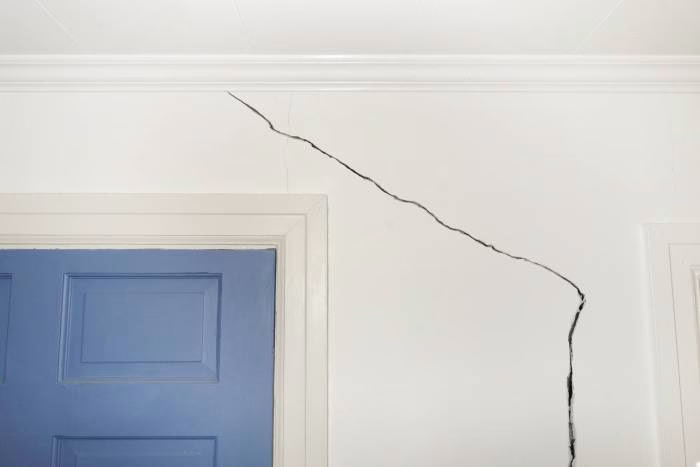
Structural stability is one of the most important aspects of any home. While cosmetic issues can be addressed with paint or minor repairs, home structural problems require immediate attention. Left unresolved, they can lead to safety risks, costly repairs, and even reduced property value. Understanding the signs of structural problems in a house helps homeowners act early and prevent long-term damage.
This guide highlights ten of the most common foundation problems and other structural concerns that appear in homes. Alongside each issue, we explain what to look for and how to determine if you may need professional help.
Cracks in Walls and Ceilings
One of the earliest signs of structural damage is the appearance of cracks in walls or ceilings. While small hairline cracks often result from settling or temperature changes, wider cracks running diagonally or horizontally may suggest more serious structural issues. These could indicate shifting foundations, water damage, or load-bearing stress.
Uneven or Sloping Floors
Floors should remain level in a stable home. When floors begin to slope, dip, or feel uneven underfoot, it may be due to structural damage beneath the surface. Causes include weakened joists, damaged support beams, or sinking foundations. Spotting this early is crucial to avoid further compromise.
Sticking Doors and Windows
If doors and windows suddenly begin to stick, jam, or fail to latch properly, this can be more than just seasonal swelling. Misaligned frames may point to structural issues caused by shifting foundations. Homeowners should see this as one of the classic signs of structural issues in a house.
Sagging or Bowing Roofs
A strong roof distributes weight evenly across a home. When roofs begin to sag or bow, it can signal problems with trusses, rafters, or load-bearing walls. In extreme cases, this type of structural damage can compromise the entire roof system, requiring urgent attention.
Cracks in the Foundation
Among the common foundation problems, cracks rank highest. Vertical cracks are often less severe, while horizontal or stair-step cracks may indicate dangerous pressure against the foundation. Knowing what is structural damage in this context helps homeowners distinguish between minor settling and major risks.
Water Damage Around the Foundation
Pooling water around the perimeter of a home or moisture in basements and crawl spaces often signals drainage issues. Persistent water damage accelerates structural damage repair needs, as it weakens concrete and encourages soil shifting under the foundation.
Gaps Between Walls and Ceilings
Visible separation between walls, ceilings, or floors suggests shifting and settling that may be more than cosmetic. These signs of structural damage to house components often stem from foundation settlement or weakened support framing.
Chimney Leaning or Cracking
A chimney pulling away from the house or showing large cracks may be more than a masonry issue. Chimneys are heavy and rely on stable foundations. Leaning often signals deeper structural problems in a house, especially when combined with foundation shifts.
Basement Wall Bowing
Basement walls should remain straight and stable. If they begin to bow inward, it is usually due to hydrostatic pressure from water-saturated soil. This type of structural damage can severely compromise a home’s safety if not addressed quickly.
Persistent Structural Settlement
All houses settle with time, but when settlement becomes excessive or uneven, it creates visible cracks, slopes, and gaps throughout the home. Spotting and addressing settlement early is essential in fixing structural damage to house foundations before it worsens.
Why Choose Us
At DPAE Structural, we specialize in identifying and resolving structural issues that threaten the safety and value of your home. Our expertise in structural engineering inspections, foundation analysis, and structural damage repair ensures that homeowners get solutions tailored to their unique situation. With years of experience and a commitment to excellence, we provide accurate evaluations and cost-effective repair strategies you can trust.
Frequently Asked Questions
Q. What is structural damage in a home?
Structural damage refers to harm that affects the core stability of a house, such as issues with the foundation, framing, or load-bearing elements. It goes beyond cosmetic flaws and impacts the safety of the property.
Q. How can I spot signs of structural problems in a house?
Look for cracks in walls, uneven floors, sticking doors, sagging roofs, and gaps between walls and ceilings. These are clear signs of structural issues in a house.
Q. Are all cracks in the foundation a concern?
Not all cracks are severe. Vertical cracks may indicate normal settling, while horizontal or stair-step cracks often point to more serious common foundation problems.
Q. Can structural damage be repaired?
Yes, structural damage repair is possible when addressed by professionals. Solutions may include foundation reinforcement, wall stabilization, or water drainage improvements.
Q. When should I call a professional?
If you notice multiple signs of structural damage or worsening conditions, it is best to consult a residential structural engineer inspection team immediately to prevent further damage.
Protecting your home starts with understanding the signs of structural problems in a house and addressing them before they escalate.
Contact us today to schedule a professional inspection and ensure your home remains safe and secure.